
On 1 October, Ofgem’s energy price cap went up by 4%. A typical household paying for gas and electricity by Direct Debit will now pay around £1,723 a year, up from £1,663 – roughly £60 more. The new level runs until 31 December, and Ofgem will announce the figure for January to March on 25 November. The details are on Ofgem’s website.
£5 a month isn’t a crisis on its own. But it lands just as the heating goes on, and in a lot of older homes across Dorset and Hampshire, a fair share of that heat is going straight out through the roof.
Where the heat goes
Warm air rises, and the roof is the first place it escapes. The Energy Saving Trust has long estimated that around a quarter of the heat in an uninsulated home is lost through the roof. Plenty of houses still have a thin layer of old, flattened loft insulation, or gaps where boarding, storage boxes or an old DIY job have pushed it aside.
What changes when you convert
Here’s the honest bit: a loft conversion isn’t an energy-saving measure in itself. You’re adding a heated room, so you’re heating more space. What changes is how the top of your house is built.
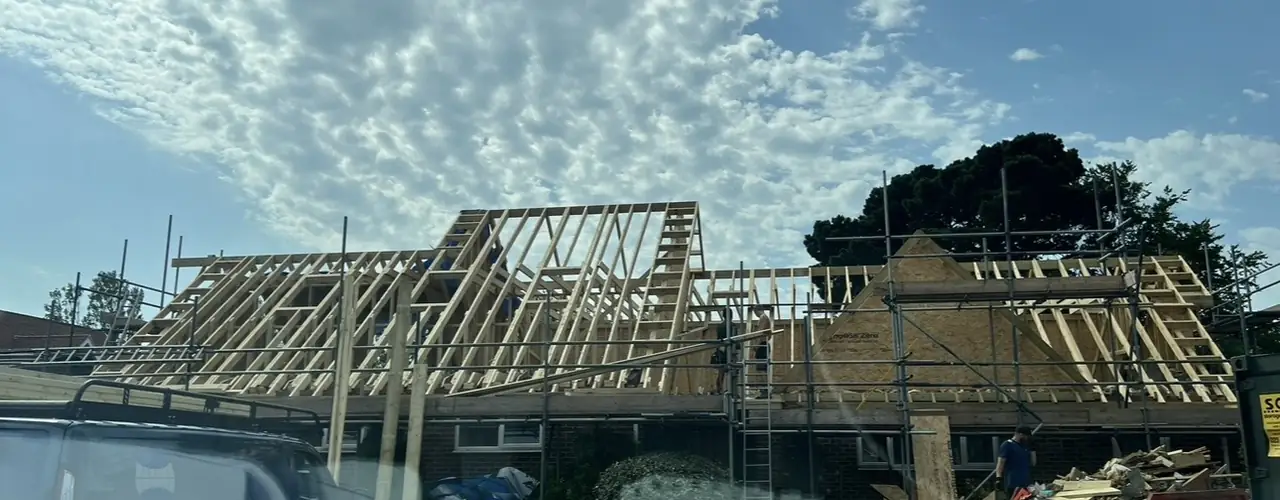
In a typical unconverted loft, the insulation sits on the loft floor and the roof above is left cold and draughty. When we convert, the insulation goes into the roof slopes and the walls of any dormer, built to the energy standards in Part L of the building regulations and signed off by building control. The new room becomes part of the warm, insulated shell of the house instead of a cold void sitting on top of it.
For many older homes, that means the top of the house ends up far better insulated than it was before – with a warm room above your bedrooms rather than a draughty roof space.
Windows matter too
Roof windows are one of the main ways heat escapes from a loft room, and one of the main ways it gets in during summer. We’re Velux certified and fit modern, energy-efficient Velux windows, so the room stays comfortable in January and in July. If summer heat worries you, read how to keep your loft space cool.
The details that make a difference
- Insulated eaves storage, so cupboards don’t become cold spots
- Draught-sealed doors and hatches into any unconverted roof space
- Radiators sized properly for the new room and linked to your existing heating controls
- Natural insulation options if you want a greener build – see how to keep your loft conversion eco-friendly
Thinking about a loft conversion this winter?
If your loft is a cold, half-insulated storage space at the moment, converting it is a chance to sort the roof out properly and gain a room at the same time. Book a free survey and we’ll look at your roof, your existing insulation and what a conversion would involve. And if you’re on a standard variable tariff, Ofgem says fixed deals are available at £100 or more below the October cap, so it’s worth comparing those too.